


Forming Machine
What is Forming Machine?
A roll forming machine for metal bending uses rollers to bend the sheet metal into a desired shape. The placement of the rollers determines the exact bend and angle of the metal, while the distance between the rollers controls the amount of deformation. The basic form of roll forming is when the end material is rectangular in cross section. Flat rolling uses two rollers rotating in opposite directions. The friction between the rollers elongates the sheet metal and pushes it through the machine.
Advantages of Forming Machine
Processing
The main function of the molding machine is to transform raw materials into required products through processing. By controlling the parameters of the molding machine, products of different shapes and sizes can be produced.
Improve Efficiency
The molding machine can automatically complete the entire production process, thereby greatly improving production efficiency. Compared with manual processing, machine processing is not only faster, but also has more stable quality.
Cut Costs
Because the molding machine has a fast processing speed and can produce products in a shorter time, it can save a lot of labor costs. In addition, due to the high stability of machine processing, the scrap rate of products can be reduced and further cost savings can be achieved.
Improve Product Accuracy
Because the molding machine can precisely control the processing parameters of the product, it can create more precise products. Compared with manual processing, this can ensure product consistency and accuracy.





why choose us
Our product
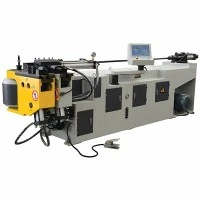
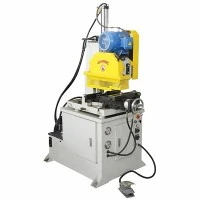
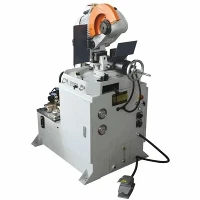
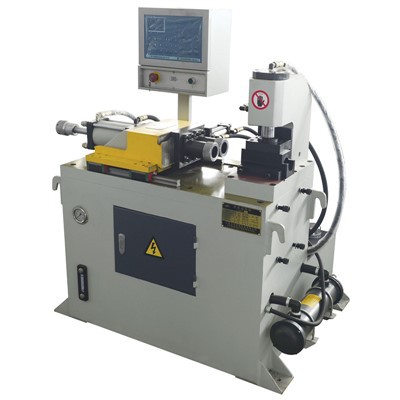
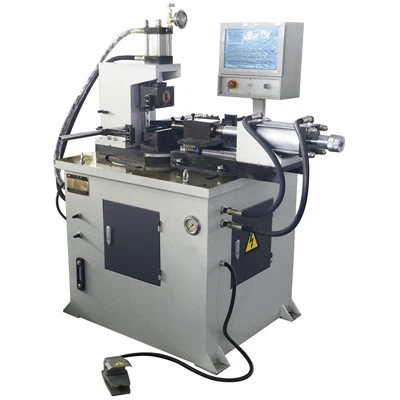
Pipe bending machine, pipe-end forming machine, cutting machine and some other pipe processing machines.
Product application
We provide unitized sets of equipments for processing pipes for automobile, physical gymnastic equipment, steel-pipe furniture, plumbing and bathing industries.
Our certificate
We have passed the authentication of iso 9001:2015 quality management system and ce certificate.
Our service
Our has set up a standardized before and after sale network and supply good and quick service to our customers.
Types of Forming Machine
Hydraulic Shaping Machine
With these sorts of shaper machines, the hydraulic system provides the reciprocating action of the ram. The hydraulic shaper utilises high-pressure oil. This is provided through a system which is understood by the hydraulic circuit for the shaper machine given below.
Horizontal Type Shaping Machine
The ram is moving in a reciprocating motion in these types of shaper machines. When the ram reciprocates, it keeps the tool on a horizontal axis. The horizontal shapers are used for the shaping of external grooves, keyways, and other similar features.
Vertical Type Shaping Machine
The reciprocating motion of the ram in these sorts of shaper machines occurs in a vertical plane where the table supports the object. Vertical shapers may be manually operated, rack-driven, screw-driven, or powered by hydraulics.
Crank Type Shaping Machine
The most common shaper is the crank shaper which uses a single-point cutting tool to make a reciprocating motion equal to the length of the stroke. This machine changes the rotary motion of a larger gear called bull gear.
Geared Type Shaping Machine
The rack and pinion are causing the ram to move in a reciprocating motion. It is exactly below where the ram meshes with the spur gear that the rack teeth are cut. The number of gears in the gear train determines both the speed at which the machine will go as well as the direction in which it will move.
Standard Type Shaping Machine
When the table of the shaper has vertical and horizontal movements to deliver the feed, the shaper is referred to as a standard or plain shaper. This is the oldest type of machine used in various machine shops, and is known as manual shaping machine.
Universal Type Shaping Machine
In these shaper machines, in addition to the vertical and horizontal movements, the table can move along an inclined axis with the ability to swivel on its axis. The workpiece that is mounted on the vice can be adjusted in multiple planes. Hence the term "universal."
Travelling Head Shaping Machines
In this type of shaper, the ram carrying the tool moves diagonally as it reciprocates to provide the necessary feed. Work that is particularly challenging to hang and feed from a shaper's table is done in this machine. The tool is kept stationary on the bottom while the ram feeds and reciprocates.
Push Type Shaping Machines
These are the most common and versatile of all the several kinds of shapers that are used in everyday life. When the ram travels away from the column, which means that it is pushing the work forward, the metal is removed.
Draw Type Shaping Machines
In these shaper machines, the removal of the metal takes place as the ram moves in a reverse direction. Because the tool in this shaper is mounted in the tool head facing the opposite direction, it performs the cutting action when the ram moves in the opposite direction.
Usage Areas of Forming Machines
Automotive Industry
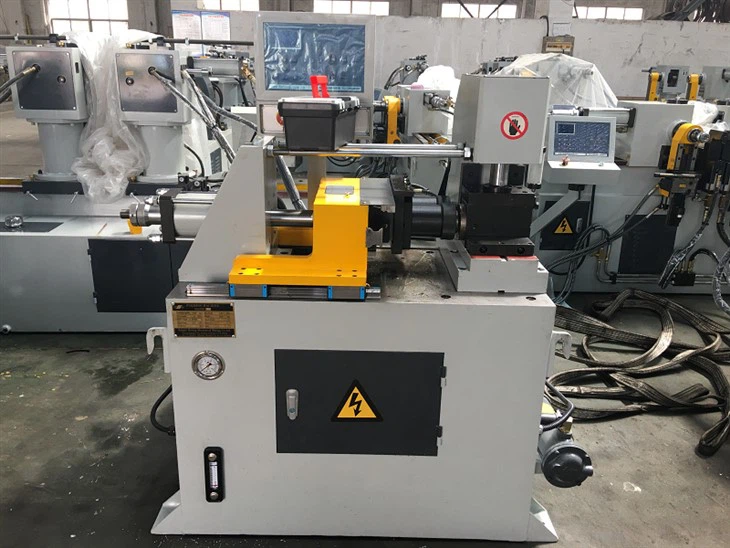
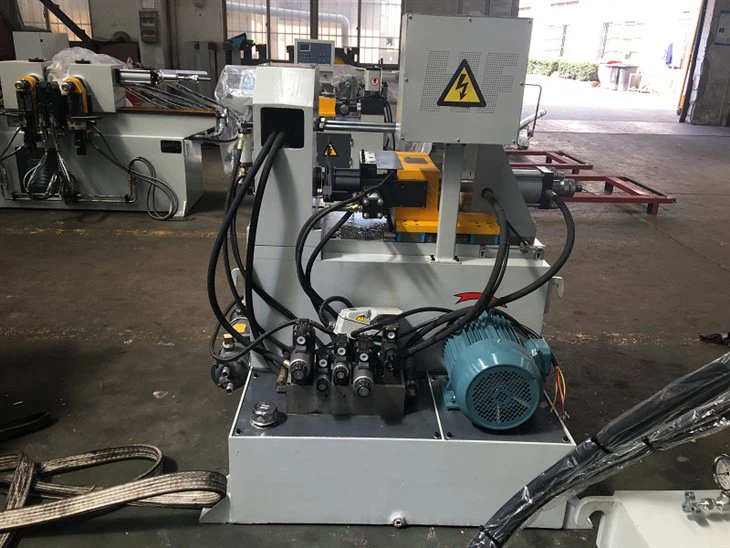
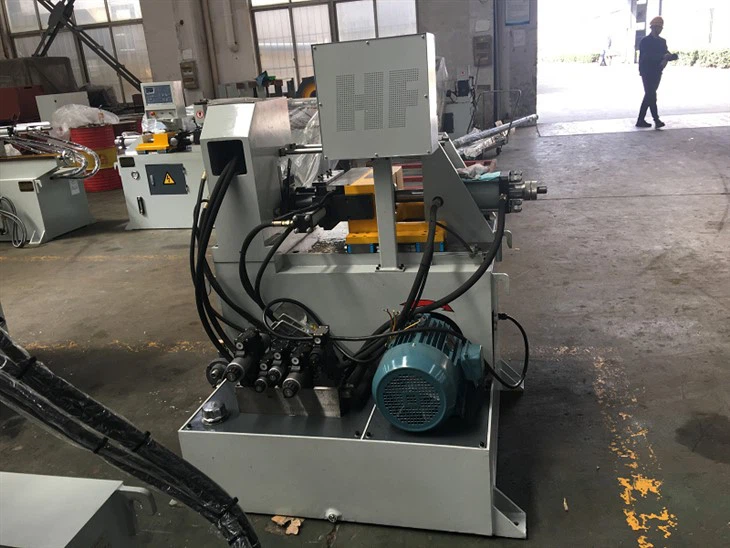
Forming machines are used in the production of many parts used in the automotive industry. For example, car bodies, bonnets, chassis parts and exhaust systems can be produced by forming machines.
Aerospace Industry
In the aerospace industry, forming machines are needed for the production of parts with complex geometries. Airframes, wings, engine parts and spacecraft components can be produced using forming machines.
Metalworking Industry
Forming machines are widely used in the metalworking industry for processes such as bending, cutting, punching and shaping metal sheets and profiles. Many products such as furniture, kitchenware, metal structures and decorative metal products can be produced with these machines.
Construction Industry
In the construction industry, forming machines are used for the production of steel structures and metal parts. Many products such as building materials, roof coverings, door and window profiles, stairs and railings can be produced with forming machines.
Electrical And Electronics Industry
In the electrical and electronics industry, forming machines are used for the production of electrical panels, cable trays, cable trays and electronic components. These machines can perform precision forming and punching operations.
Consumer Products
Forming machines are widely used in the consumer products industry. Many products such as white goods, furniture, lighting fixtures, playground equipment and packaging materials can be produced with forming machines.
Material Selection in Forming Machines
Material Of The Workpiece
The material of the workpiece to be shaped and material selection is the most basic factor. Different components have different coupling properties and may require different operating methods. For example, it can be metal materials (steel, aluminum, etc.), plastics or composite materials. Appropriate material selection should be made by determining the material properties and costs of the workpiece.
Forming Process
Various collecting units are used forming machines, such as bending, cutting, molding, roll jointing, etc. Each process may have different material properties and durability requirements. The forming process and method is one of the factors that make up the material selection.
Material Properties
Storage properties should be considered when using forming machines. The final properties of the material, such as elasticity, strength, toughness, thermal conductivity, are not important for the receiving process. For example, harder hardware may require stronger and more durable machines.
Forming Tolerances
It is important to ensure compliance with tolerances during the forming process. The material selection must be appropriate to achieve the desired tolerances. They should be able to organize fine cleaning processes, and the material selection should allow for more precise tolerances.
Longevity and durabilityit is important for forming machines to have a long service life and durability. The material must be able to withstand repeated handling and wear and tear. This reduces values and ensures continuity of production.
Maintenance of Forming Machines
Cleaning
Cleaning the machine regularly prevents particles and dirt from accumulating. Residues or oils on workpieces can affect machine performance. Clean the machine after the operation and periodically.
Lubrication
Proper lubrication is essential for the smooth operation of the moving parts of forming machines. Follow the manufacturer's recommended lubrication schedule and use the correct lubricants.
Checks
The operating system of the machine requires regular checks, including hydraulic or pneumatic systems and electrical components. These checks help you detect potential problems such as leaks, damaged parts or connections, worn components or broken wires.
Spare parts
Availability of critical spare parts in stock ensures production continuity in case of unexpected failures. It is important that important parts are checked regularly and replaced as necessary.
Training and personnel
Training of personnel is important for the correct use and maintenance of the machine. It should be ensured that operators and maintenance personnel are trained in using the machine correctly and performing basic maintenance operations.
Professional support
It is important to seek professional support for complex maintenance or major repairs. By getting help from authorized technical service providers, you can ensure the best maintenance and repair of the machine.
- The operator must be familiar with the machine's performance and operating procedures.
- Before starting the machine, make sure that there are no debris or obstacles in and around the machine. Check whether the buttons of each instrument are normal.
- Before each work, start the equipment for a test run for 10 minutes. During the test run, turn on the grease lubrication pump to fully lubricate each lubrication point. Do not start with load.
- Add lubricating oil every 30 minutes during normal operation to ensure the safe operation of the equipment.
It is forbidden to get on the top of the equipment when the equipment is working.
During operation, abnormal vibration, hydraulic oil leakage and noise are found to stop and check immediately.
Non-operators are forbidden to enter the work area, and a distance of more than 2 meters should be kept from the equipment.
Stick to your job position and prohibit leaving without authorization. Shut down the equipment when leaving the equipment due to accident, and explain the equipment situation to the monitor clearly.
The pressure of the equipment system is 20mp, and overpressure work is strictly prohibited.
After the work, the equipment was switched off, and the surrounding area was cleaned up.
How to Choose Forming Machine
Manufacturing Quality
The quality of your rolled formed components are determined by the manufacturing quality of your roll forming machine. Take your time in researching the manufacturing standards of the roll forming companies you are considering. All components are adher to very stringent manufacturing and material specifications.
Warranty
Ask the roll forming machine company you are considering what warranties they offer on their machines and what are the terms of the warranty. Machine will be totally tested in factory, all wires are marked. Warranty is 24 months since machine installing in client's factory.In warranty period, all parts are free to supply include shipping cost.
Customer Service And Repairs
Your warranty should be backed up by honest, high-quality customer service. Make sure the roll forming company you select has knowledgeable customer service representatives available to assist you with technical issues, and that they stand by their repairs promise. At steelmama, we have been supplying the highest quality roll forming machines globally since 2009. It is important to us that your repairs are done correctly in a timely manner so that your business is rolling again as soon as possible.
Roll Formed Product Specifications
Once you have identified a reliable roll forming machine company, the specifications for the products you will be roll forming will guide your buying choice. Specifications include product length, thickness, stiffness, and profile.
Custom Profile, Single Profile, And Multiple Profile Roll Forming Machines
Depending on your manufacturing needs, a multiple profile roll forming machine with interchangeable cassettes may best serve you. This allows you to produce different profiles of the same component with one machine.
Speed And Quantity Of Production
If you have high volume production, you will need to consider production speed when selecting a machine. Investing in a roll forming machine with a higher rate of production may increase your overall profit margin. You will also consider machine life based on your overall production needs.
Cost To Operate Machine
Compare energy costs to operate the machine when choosing your roll forming machine. Excessive power use by your roll forming machine can unnecessarily impact your profits. Verify that the machine you are purchasing is energy efficient for the job at hand.
Roll Forming Machine Cost
With all else equal, the deciding factor in your roll forming machine purchase is cost. View our large selection of standard profile roll forming machines for sheet metal, metal panels, metal siding, metal purlins, metal roofing, metal decking, and more.
FAQ
Q: What is forming in machining?
Q: What do you mean by forming?
Q: What is an example of forming manufacturing?
Q: How does forming work?
Q: What does a forming machine do?
Q: What is a forming operation?
Q: What is the difference between forming and forging?
Q: What is the difference between forming and machining?
Q: What are the advantages of forming process?
Q: What is the purpose of a roll forming machine?
Q: How to work a roll forming machine?
Q: What is the purpose of the forming machine?
Q: What is the difference between roll forming and extrusion?
Q: How does roll forming work?
Q: How does forming process work?
Q: What is the principle of roll forming?
Q: What is the difference between forming and rolling?
Q: What is the purpose of a roll forming machine?
Q: How thick is roll forming?
Q: What is rolling in forming?