

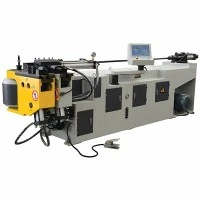
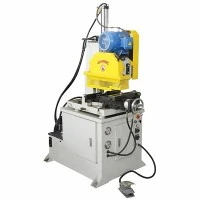

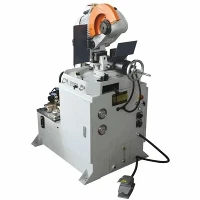
Pipe Cutting Machine
What is Pipe Cutting Machine?
A pipe cutting machine is a piece of plumbing equipment used to make a clean cut in pipes. It is more efficient than a traditional hacksaw, and can be faster and cleaner. The utility of a pipe cutting machine depends on the material of the pipe being cut. For example, a steel pipe requires a more precise cut than a copper pipe does.
Advantages of Pipe Cutting Machine
It Saves Time
Pipe cutting machine can save time and this is one of the best advantages of this machine. It can also save time to call the professionals or teaching skills to a trainee for pipe cutting purposes. Not only at originations but this machinery can also save problems at home as well.
Its Gives Professional Outcomes
Human are not quite proficient in dealing with the pipes and attaining accurate output but using necessary tools like pipe cutting machine this can be ensured. Pipe cutting machines can actually help achieve professional cut.
Its Helps Save Money
Once applied, there is no additional charge that are to be paid not to use machinery and not for professional. Any person can help themselves using this machinery and thus it can save money.
It Is A Long-term Investment
Other best advantage of these tools is that it is a long term investment. These machines help people for a long time for sure. This is an advantage which can help achieve better outcome for many coming days.


why choose us
Our product
Pipe bending machine, pipe-end forming machine, cutting machine and some other pipe processing machines.
Product application
We provide unitized sets of equipments for processing pipes for automobile, physical gymnastic equipment, steel-pipe furniture, plumbing and bathing industries.
Our certificate
We have passed the authentication of iso 9001:2015 quality management system and ce certificate.
Our service
Our has set up a standardized before and after sale network and supply good and quick service to our customers.
Pipe cutting machine is a cnc controlled machine that cuts pipes and tubes with precision and speed. The machine uses latest technology and is equipped with top quality components. It features an easy-to-use user interface and high-precision linear guides. Users can easily learn how to use the machine after a short training period. It can also process various types of pipe joints.
Its innovative design and unique features make it a valuable addition to any pipe cutting shop. This machine allows pipefitters to cut with high precision and accuracy, while minimizing the risk of injuries.
Pipe cutting machine is an all-in-one pipe cutting machine. It is versatile, and allows easy portability. Designed for both on-site and workshop use, this machine allows for bevel cuts, chamfer cuts, and straight cuts. This machine features a safe cutting process that minimizes the risk of explosion. It also eliminates the heat affected zone.
Types of Pipe Cutting Machine
Manual Pipe Cutters
Manual pipe cutters are basic hand tools that use a simple cutting wheel to score and cut pipes manually. They are affordable and cost-effective, and they’re also portable, so they can be used in different job site settings.
Hacksaw Pipe Cutters
Hacksaw pipe cutters use a blade with fine teeth to cut through pipes manually. They are highly versatile and can be used for various materials, and they’re also inexpensive and readily available.
Band Saw Pipe Cutters
Band saw pipe cutters use a continuous band blade to cut pipes and tubes with precision. They are ideal for heavy-duty cutting and are efficient and precise, providing clean cuts.
Reciprocating Saw Pipe Cutters
Reciprocating saw pipe cutters use a reciprocating motion to cut through pipes, making them versatile and efficient. They are well suited for cutting pipes in tight spaces and can handle a variety of pipe materials.
Plasma Pipe Cutters
Plasma pipe cutters utilize a high-velocity stream of ionized gas (plasma) to cut through pipes with precision and speed. They work fast and provide precise cutting, especially for thick materials. They also produce minimal heat-affected zones, preserving the material’s integrity.
How to Choose Pipe Cutting Machine
Cutting Capacity
Determine the maximum diameter and thickness of pipes you'll be cutting, and choose a machine with sufficient capacity to handle your requirements.
Cutting Method
Decide whether you need a machine for straight cuts, bevel cuts, or both. Select a machine that offers the cutting method(s) you require for your specific applications.
Cutting Precision
Consider the level of precision required for your cuts. Choose a machine with accurate cutting mechanisms, such as cnc control, to ensure precise and consistent cuts.
Material Compatibility
Ensure the machine is compatible with the types of materials you'll be cutting, such as steel, stainless steel, aluminium, or plastic pipes.
Automation
Determine the level of automation you need. Options range from manual machines requiring operator input for each cut to fully automated systems with programmable settings for batch cutting.
Versatility
Consider whether you need a machine capable of cutting various pipe shapes, angles, or profiles. Some machines offer flexibility to accommodate different cutting needs.
Durability And Reliability
Select a machine from a reputable manufacturer known for producing reliable and durable equipment. Look for features such as sturdy construction and quality components to ensure long-term performance.
Safety Features
Prioritize machines with safety features such as guards, emergency stop buttons, and automatic shut-off mechanisms to protect operators and prevent accidents.
Ease Of Use And Maintenance
Choose a machine that is user-friendly and easy to operate, with intuitive controls and minimal setup requirements. Additionally, consider maintenance needs and choose a machine that is easy to maintain and service.
Cost And Value
Evaluate the initial cost of the machine along with its long-term value. Consider factors such as productivity, efficiency, and reliability to determine the overall value proposition of the machine.
Precautions for Using a Pipe Cutting Machine
While cutting through pipes, you are working through high strength material, applying a reasonably high amount of force and therefore risking injury to yourself or the people around you. Most pipe cutters are powerful enough to cut through plastic, pvc or metal without bending or twisting, and can therefore cause substantial bodily harm if not properly handled.


Position The Blade Away From You
You will be cutting through all sorts of pipes. While some will be rough and therefore safe to handle, others can be too smooth, and therefore slippery. In the event that something triggers your hand to slip, then the blade will slip too, and you do not know what will happen if it finds you unguarded. To prevent against this eventuality, you have to ensure that the blade points away from you, so that if your hand slips, the blade falls away from you and not towards you.
Dress Up For The Occasion
While cutting through pipe, shards of metal may fly your way. In addition, dust particles present on the pipe you are cutting through could make their way into your eyes, and this may cause all sort of problems with your eyesight. You will need to find a good set of safety goggles to wear during the cutting process. To keep your hands covered, throw in a set of hard, strong gloves on.
Follow Instructions
The pipe cutter you intend to use comes with a set of instructions on the proper way of handling. You will need to understand that instructions exist for a reason and follow them to the end. If you do not know how to use the device, look at the manuals and see how the whole thing goes. You are only able to take care when you know precisely how to go about using pipe cutting appliances. Learn to cut around angled areas and tight spaces, as these provide a great safety test.
Ensure That The Blade Is Sharp
Many plumbers believe that having a dull blade keeps them safer because it is far less likely to slide and harm the user. However, this is untrue. A dull blade will keep the task going on longer than necessary. It will also cause a lot of friction between your hand and the holding area. This tension will then move through, residing between the blade and the pipe. You are therefore very exposed to injury in this position. A sharp blade has a flawless cut, ensuring that the process is smooth, fast and effective.
Store The Cutter Away
When you are done, put the device away safely, do not simply throw it blade up in to your toolbox, as it may injure you in the future. Leaving it lying around the workshop floor or bench will not cut it either. Find a protective sleeve. It helps.
Proper Care and Maintenance for Tube Cutters
Select The Correct Cutter
In order to make a clean cut, you should choose the appropriate tube cutter to fit your needs. Selecting the specific type depends on the material, diameter, and thickness of your tube. Smaller tube cutters are used to manually cut pipes made of plastic and copper. Heavier duty tube cutters, which are often electrically, pneumatically, or hydraulically powered, offer precise cutting control and cutting speed regulation for large-diameter plastic pipes. Each type has its own particular features suited for the intended job, so make sure you are using the correct one.
Clean Tools Regularly
At the end of each job, make it a point to clean your tube cutter. Use a cleaning agent and a wire brush to gently clean the feed screw, rollers, and most importantly, the cutting blade. Doing so prevents your blade from losing its sharpness.
Lubricate
While a cleaning agent is effective in thoroughly cleaning your cutter, using it could lead to your tool becoming dry. When dry, your cutter becomes weaker and you will likely have a hard time making that clean cut. Don’t forget to lubricate the feed screw, slide, rollers and cutting blades with a suitable lubricating oil after cleaning them.
Store Properly
To prolong the lifespan of your cutter and prevent the blade from easily becoming dull, ensure that your tool is stored properly after each use. Always hang your tube cutters in a warm, dry area if possible. To avoid accidents, store them inside a cabinet, out of reach of children.
Inspect The Cutting Blade Frequently
Aside from cleaning and lubricating your cutter, you must examine it closely after every job. Check for any damages on the body, the feed screw, and the rollers. When it comes to the blade, don’t forget to inspect for proper tracking and sharpness. It is very important to verify that the blade isn’t blunt or chipped before use. Keep in mind that while a tube cutter’s blade is made of stainless steel, it shouldn’t be used to cut pipes made of hard materials like iron or steel.
Working Principle of Pipe Cutting Machine
The principle of the pipe cutting machine is that through the cooperation of computer and hydraulic pressure, the electric system controls the direction of the oil circuit of the hydraulic system, and pushes the carriage to make a straight and reciprocating movement. The microcomputer will follow the tool path programmed by the user. During the reciprocating motion, the signal detected from the carriage limit is used as the basis to control and change the oil circuit movement, so as to achieve the expected tool path.
The automatic pipe cutting machine can automatically clamp the material, feed the knife, feed the material, set the size, stop at a fixed number, and measure the work. The counter can set the number of cutting times, and it will stop automatically after cutting. There is no need for manual operation at all, higher mechatronics, and even one person can operate multiple machines, reducing the number of employees.
FAQ
Q: What is the use of pipe cutting machine?
Q: What can a pipe cutter cut?
Q: Do I need a pipe cutter?
Q: How does a pipe cutting machine work?
Q: What are pipe cutting machines also known as?
Q: What is the difference between a pipe cutter and a tube cutter?
Q: How do you cut a pipe without a pipe cutter?
Q: Can a pipe cutter cut steel?
Q: Will a pipe cutter cut pvc?
Q: What are the two types of pipe cutters?
Q: What does a pipe cutter look like?
Q: Do I need a pipe cutter?
Q: Why use a pipe cutter?
Q: How does a pipe cutting machine work?
Q: Can you cut plastic pipe with a pipe cutter?
Q: Can I cut steel pipe with a pipe cutter?
Q: What is the meaning of pipe cutting machine?
Q: What is the use of pipe cutter?
Q: What are pipe cutting machines also known as?
Q: What is cnc pipe cutting machine?